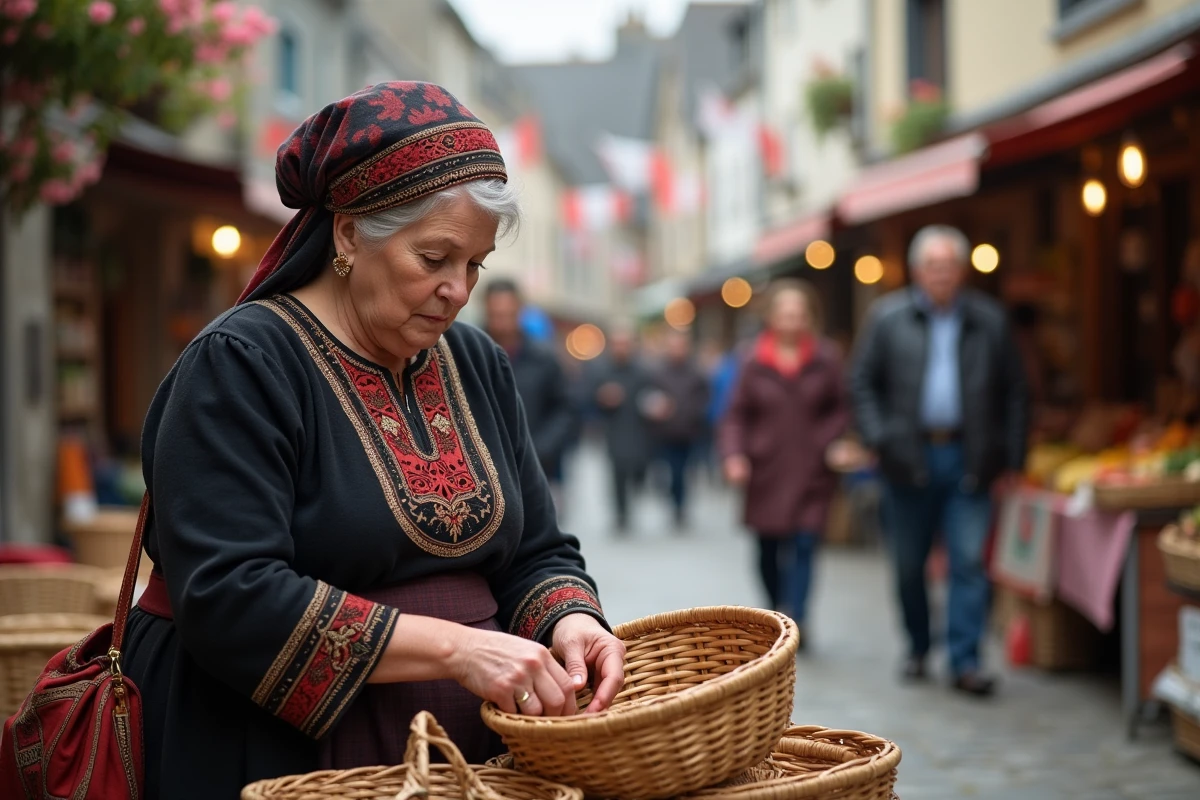
Breton, long banned in schools, is now taught in over 200 institutions. Each year, more than 150 festivals celebrate songs, dances, and customs unique to the region. Despite rapid modernization, hundreds of associations continue to pass down ancient know-how, from traditional costumes to Celtic music.
The local calendar features as many heritage events as there are municipalities, bringing together residents and visitors around a network of passionate actors. The choices for preservation and enhancement reflect a cultural dynamism that continues to evolve, balancing transmission, adaptation, and innovative initiatives.
Breton culture, a living heritage at the heart of the region
It is impossible to remain indifferent to the strength of Brittany when one considers its ability to keep its cultural heritage alive. Here, Breton culture is everywhere: it grows with children, reinvents itself with adults, is whispered in families, and sung publicly. The Breton language is not confined to a few textbooks: it is learned in schools, but also heard in village squares and exchanged during large popular gatherings.
The territory is not limited to stone or moorland. What makes the heart of the region beat is its intangible heritage: Breton music, Breton dance, stories passed down orally, customs shared during festivals and across generations. Take Cornouaille: there, the festoù-noz vibrate through the halls, blending the steps of the elders and the energy of the youth, without rupture or forced nostalgia.
Cultural vitality relies on a multitude of actors: artists inspired by Breton heritage, neighborhood associations, costume enthusiasts, and committed teachers. Each finds their place in the transmission of this cultural richness, keeping it alive and adaptable. Here, collective memory is not a burden but a source of renewal, both a reference point and a driving force.
For those who want to explore this effervescence, the Culture Bretagne website serves as a true compass. It offers in-depth analyses, profiles of the men and women who shape modern Brittany, a bustling agenda, and a dive into the diversity of intangible cultural heritage. Brittany appears anything but frozen: it moves forward, driven by those who tell its stories and keep it alive.
What rituals, festivals, and know-how make Brittany vibrate today?
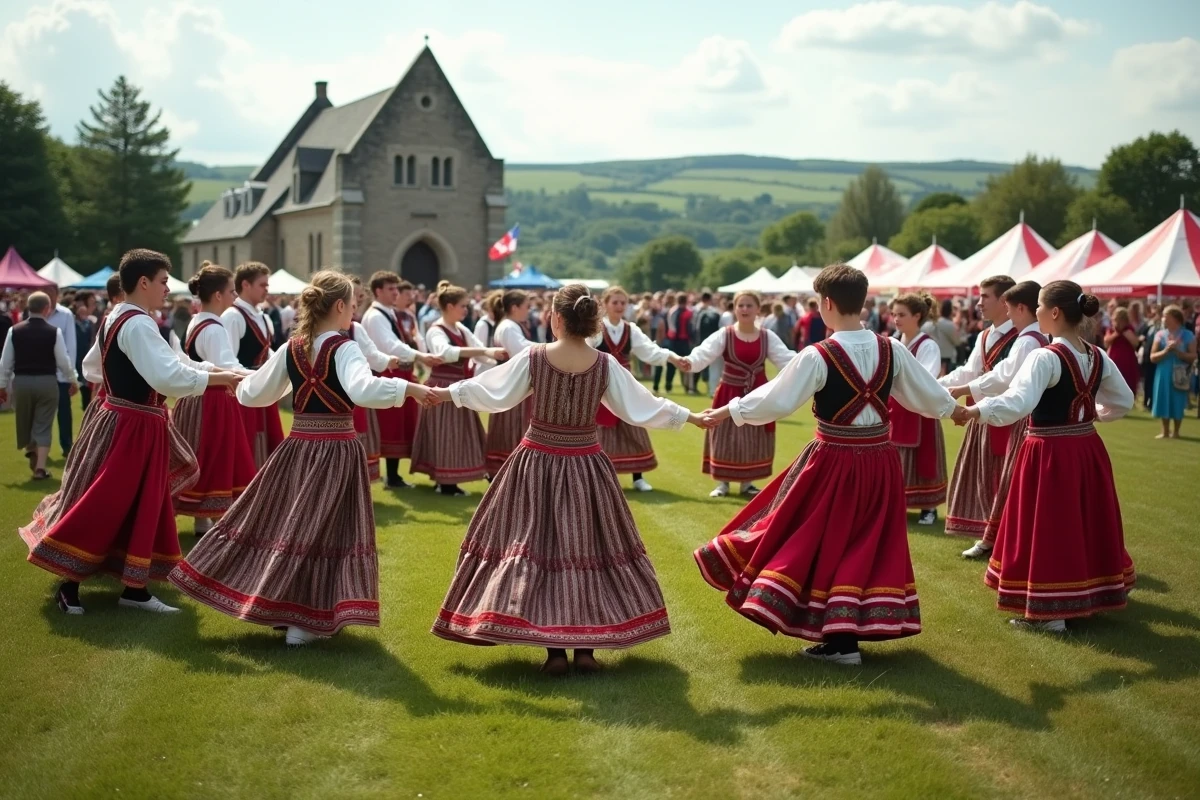
Breton tradition powerfully expresses itself during fest-noz. These dancing evenings, accompanied by the bombarde, biniou, or violin, bring together long-time residents and newcomers eager to share a circle or a gavotte. Recognized by UNESCO, the fest-noz remains a cornerstone of regional social life. Between each dance, connections are forged, and the gestural memory enriches itself with new steps, never losing its original spirit.
The richness of Breton intangible heritage is also revealed in other areas. Here are a few examples that illustrate this abundance:
- The collection and dissemination of traditional songs by Dastum, which preserves an immense repertoire of songs and legends.
- The craftsmanship of embroiderers, whose hands perpetuate complex patterns on costumes worn during major celebrations.
- Local festivities, such as the Festival des Filets Bleus in Concarneau, which brings together sailors, musicians, and dancers every summer within the walls of the Ville Close.
Breton gastronomy fits seamlessly into this movement: some chefs reinterpret the buckwheat galette or kouign-amann, while small factories continue the tradition of craquelin, linking yesterday’s craftsmanship to today’s creativity. Associations and immersive schools like Diwan ensure the transmission of the Breton language to new generations, proving that tradition can coexist with the present.
Tips and ideas for exploring Brittany through its traditions and passionate actors
Discovering Breton culture on the ground means meeting those who keep it alive daily. Prioritize cultural events that punctuate the calendar: fest-noz, festivals, exhibitions, neighborhood parties. These gatherings allow you to dive into reality, listen to a musician, admire the meticulous work of an embroiderer, or chat with a chef who enhances local flavors.
To fully feel the dynamics of intangible heritage, sometimes all it takes is to step into a market or linger during a village festival. You meet enthusiasts who pass on gestures and stories, taste a kouign-amann just out of the oven, or try your hand at gouren, Breton wrestling. Bilingual associations and schools play a crucial role in preserving and transmitting the Breton language. Local authorities also get involved by supporting educational, artistic, or festive projects.
For the more curious, Brittany holds many surprises in contemporary creation. Artists draw from Breton heritage to imagine installations, performances, and textile pieces where past and modernity intersect. The cuisine is no exception: young chefs invent new uses for the buckwheat galette, reinterpret local products, and invite a rediscovery of the richness of culinary heritage.
Here, tradition is never a relic: it vibrates, expands, and opens up to all who wish to grasp it, learn it, or simply celebrate it. Brittany moves forward, driven by the energy of its inhabitants and the breath of its shared stories. Who knows what the next village festival will hold for us next year, around a corner or a path?