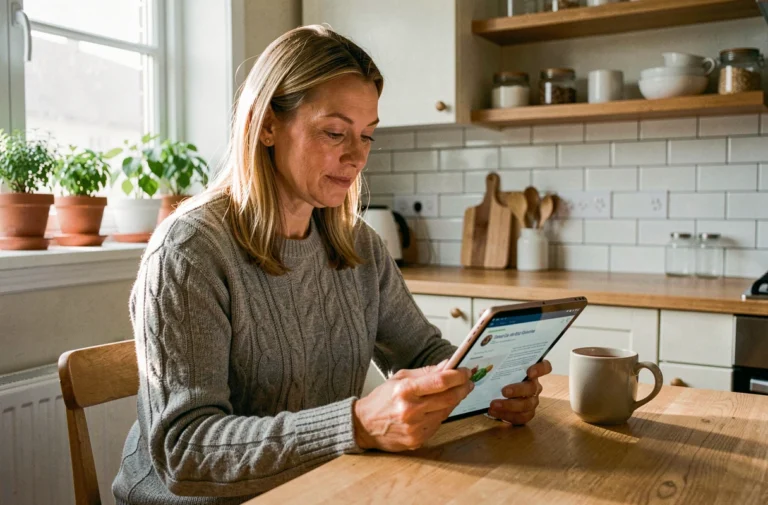
In France, the decree of March 30, 2023, has expanded the prescription of adapted physical activity well beyond just long-term illnesses. Seniors affected by chronic diseases, certain risk factors, or a loss of autonomy can now be prescribed supervised sessions. This regulatory opening reshapes the landscape of sports and cultural activities accessible after 60, but it also raises concrete questions about funding and territorial availability.
Adapted physical activity on prescription: what the regulatory framework really changes
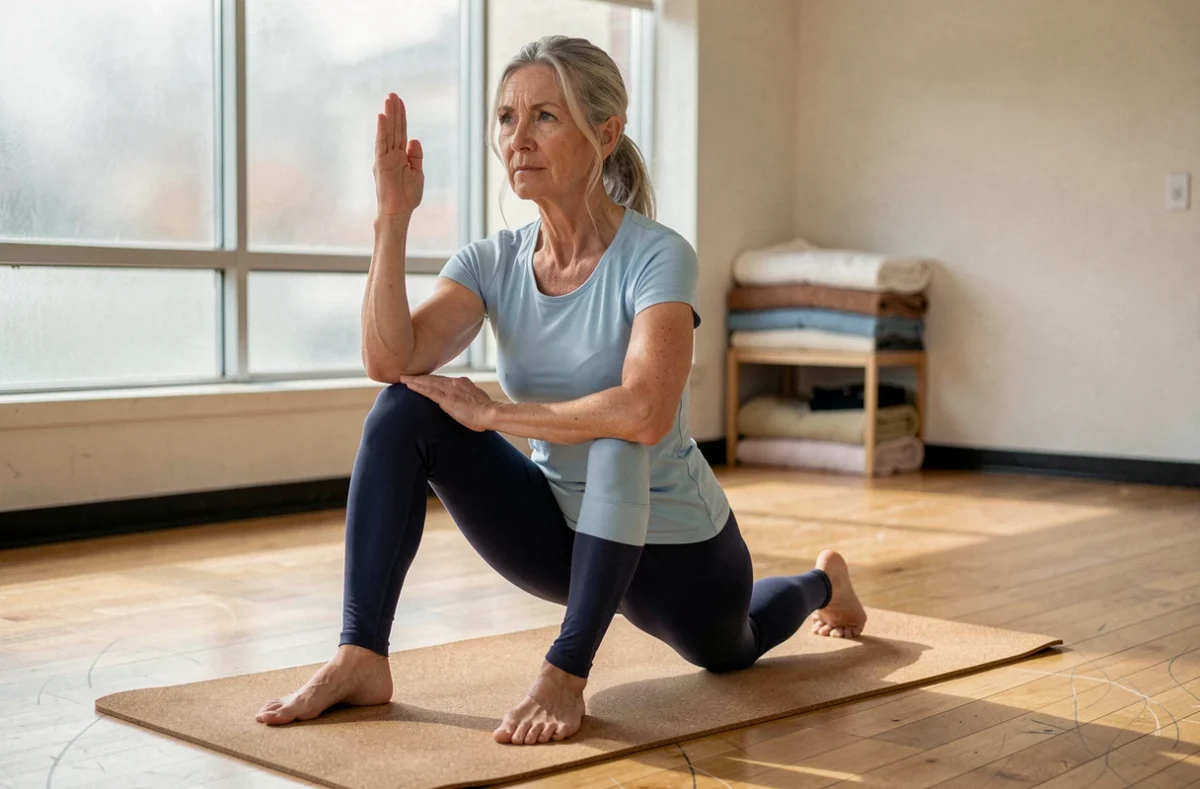
Since 2023, the prescription of adapted physical activity (APA) is no longer limited to patients with long-term illnesses. The scope now also covers chronic diseases, identified risk factors, and situations of loss of autonomy. From 2025, advanced practice nurses will also be able to prescribe APA, which multiplies the entry points for seniors receiving local care.
The central nuance can be summed up in one sentence: a prescription for APA does not automatically entitle one to reimbursement. Health insurance does not systematically cover these sessions. Funding relies on a patchwork of local schemes, mutual insurance, and territorial grants.
For seniors who wish to discover activities with Le Club des Seniors, the first step often remains identifying what is concretely available in their living area, as the offerings vary significantly from one municipality to another.

Funding for senior activities: mutuals, CCAS, and territorial schemes
The real barrier to regular sports practice after 60 is not a lack of motivation. It is the out-of-pocket expenses. Free local schemes are taking on an increasingly important role, but their geographical distribution remains uneven.
In Île-de-France, a program based on cycles of 24 prescribed sessions, conducted in Sports-Health Houses, has allowed over 4,000 residents from priority neighborhoods to resume activities without any out-of-pocket costs. This type of scheme shows that free and supervised access works, provided it is locally structured.
Where to look for reduced rates or coverage
- CCAS (communal centers for social action) often offer sports and cultural workshops at rates adjusted to income. Registration is usually done by phone or on-site, with proof of residence.
- Some mutual insurance companies reimburse part of the costs of prescribed APA, in the form of an annual package. The amount and conditions vary from one contract to another, which requires checking one’s coverage before committing.
- Sports federations like FF Sports pour Tous offer senior slots supervised by trained educators, sometimes at rates lower than those of private gyms.
Feedback from the field diverges on one point: the clarity of the offerings. Many seniors are unaware of the existence of these aids, due to the lack of a single point of contact. The information pathway remains fragmented between the general practitioner, the town hall, the mutual insurance, and local associations.
Cultural workshops for seniors: beyond leisure, a lever against isolation
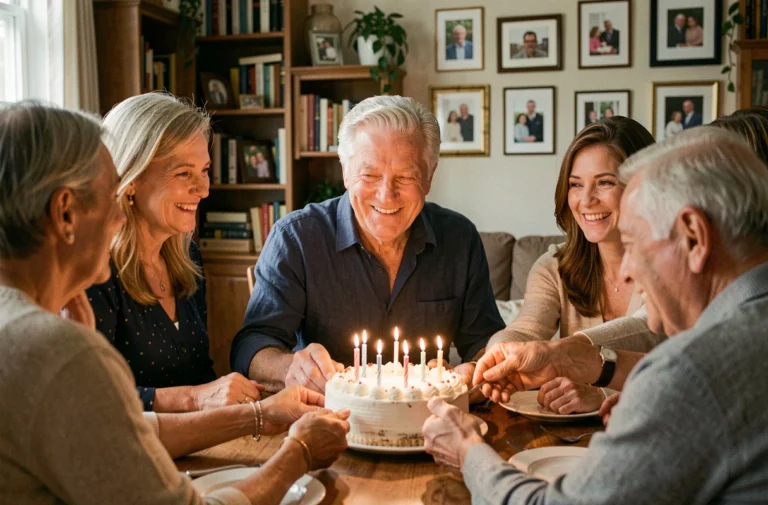
Cultural activities hold a special place in the daily lives of seniors, not just as pastimes. Loneliness is now considered a major risk factor for mental and physical health.
Painting, dance, or theater workshops create a regular social appointment, which constitutes their first measurable benefit. Regularity matters more than the chosen discipline. Participating weekly in a workshop, even a modest one, structures time and maintains an active network of contacts.
Painting, dance, writing: which formats work in practice
The most attended workshops in community structures and senior residences combine two characteristics: flexible supervision (no level required) and a small group size. Painting and creative hobbies attract a broad audience because they do not require any specific physical condition.
Dance, on the other hand, works on two levels simultaneously: it improves balance and coordination while fostering social connections. Formats like ballroom dance or seated dance allow the intensity to be adapted to each participant.
Writing and book clubs work differently. They engage memory, vocabulary, and argumentative skills. For seniors concerned about early cognitive decline, these activities provide regular training without performance pressure.
Health and autonomy of seniors: what available data allows us to say
The Montaigne Institute has published a report that redefines the role of the home in healthy longevity. Maintaining regular physical and social activity is among the identified levers for preserving autonomy, alongside housing adaptation and local medical follow-up.
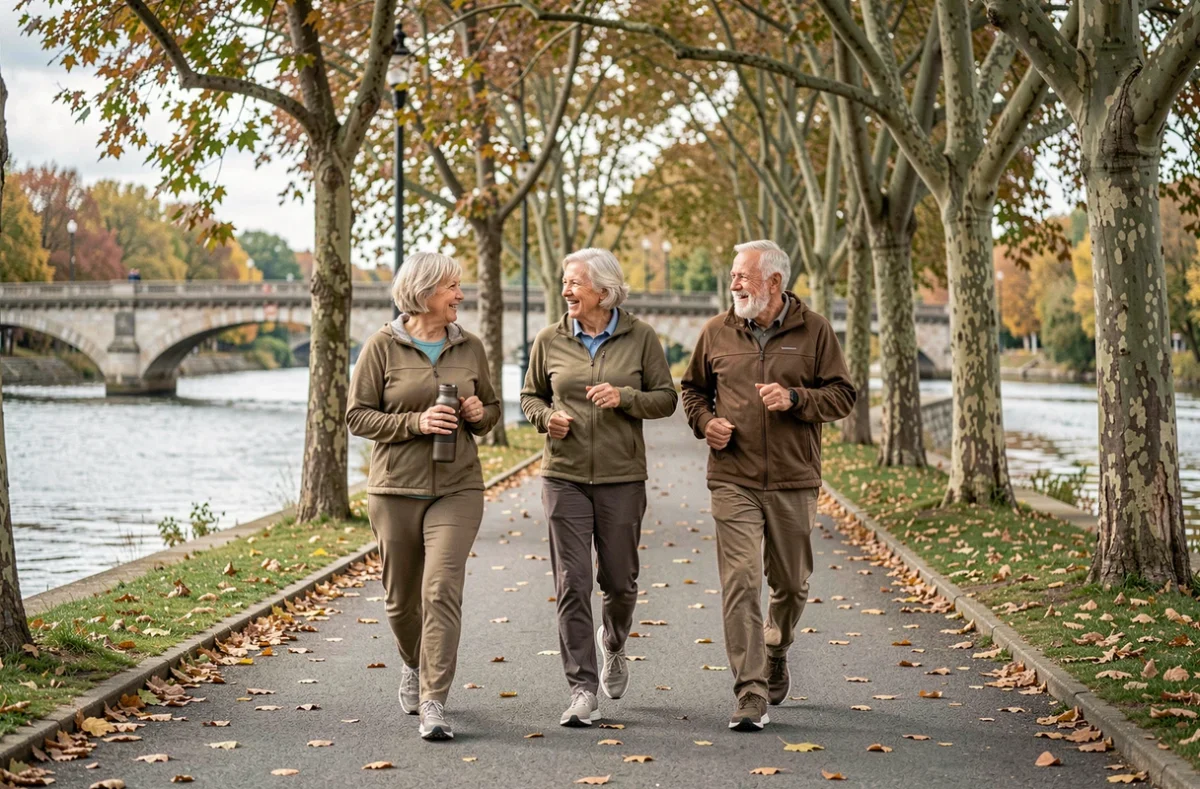
The benefits of physical activity in preventing falls are among the best documented. Muscle strengthening, balance training, and regular walking significantly reduce the risk of fractures, the leading cause of sudden loss of autonomy among those over 75.
The available data do not allow us to conclude that one discipline is superior to another for overall health. What emerges from studies and field feedback is the regularity of practice and its supervised nature. A weekly session followed for a year produces more effects than an intensive program abandoned after two months.
The link between active social life and mental health is also documented, but the precise mechanisms remain debated. Isolation exacerbates cognitive and depressive disorders, which is a shared observation. The open question concerns the minimum dose of social interaction necessary to produce a measurable protective effect.
For seniors who are still hesitant, the simplest starting point remains to contact their CCAS or their general practitioner. The local offer of sports and cultural workshops is often richer than one might imagine, provided one knows where to look.