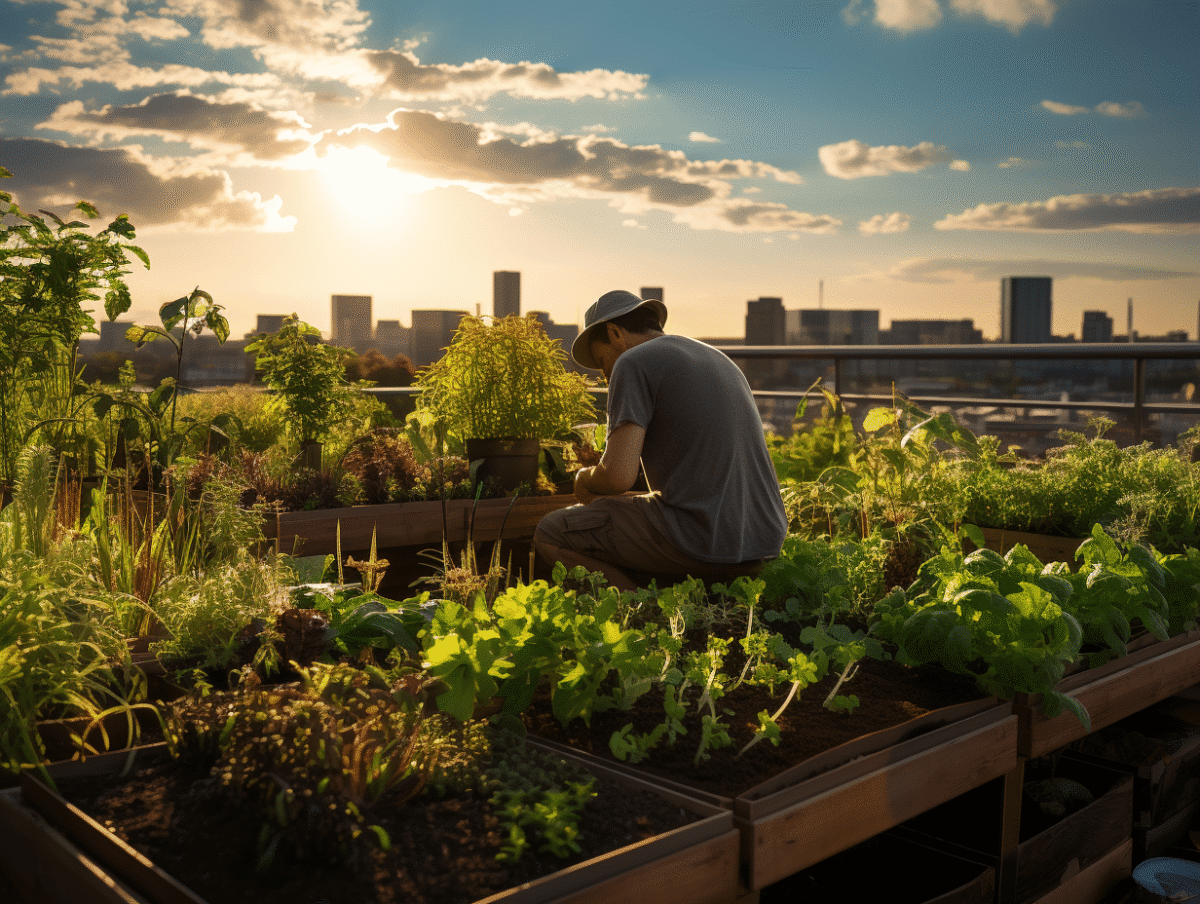
In an era where the ecological footprint of every action matters, gardening transforms into a sanctuary of sustainable practices. Earth lovers are turning to methods that respect the ecosystem, seeking to reconcile their love for gardening with the necessity of preserving our planet. Ecological gardening is part of this movement, integrating permaculture, the use of homemade compost, and the refusal of chemical pesticides. It is a return to the roots, where biodiversity and the natural cycle of plants are prioritized, thus ensuring the sustainability of a healthy environment for future generations.
The pillars of ecological gardening: ethics and techniques
Sustainable gardening stands out as a fundamental aspect of sustainable development, in response to current environmental challenges. It applies these principles to gardens, aiming to create a perfect balance between human needs and the preservation of nature. The symbiotic relationship between an ecological garden and sustainable gardening is undeniable, with one being the living example of the other. On the site Jardino.fr, numerous tips are available to transform a garden into an environmentally friendly space, implementing techniques that combine innovation and ancestral know-how.
Consider sustainable development as a compass guiding the gardener towards practices that meet present needs without compromising the ability of future generations to meet their own. Ecological gardening becomes a reflection of this philosophy, where every action taken in the garden aims to reduce environmental impact and promote the health of our planet.
Biodiversity in the garden is a key element, an essential biological diversity for the balance of ecosystems. Strategies such as planting native species, creating habitats for wildlife, and limiting chemical inputs contribute to enriching this biodiversity. Jardino.fr recommends creating dedicated wildlife areas, such as ponds for amphibians, piles of dead wood for wood-boring insects, and green roofs for birds and pollinating insects.
The use of natural products is emerging as a preferred method in sustainable gardening. Refusing chemical pesticides and fertilizers in favor of ecological solutions such as composting, permaculture, or green manures is an approach that strengthens the resilience of the garden. Jardino.fr offers valuable advice on natural alternatives that do not harm the environment and contribute to the natural balance of the garden.
Strategies for environmentally friendly gardening and biodiversity
Promoting biodiversity is a central goal of the ecological garden. This quest for biological diversity begins with the development of specific areas within the garden, designed to host a variety of wildlife. Creating hedges, establishing ponds, or installing birdhouses are actions that encourage the return and maintenance of local animal and plant species. These spaces become refuges for biodiversity and contribute to the balance of the ecosystem.
Recycling and composting organic waste are part of a sustainable gardening approach, allowing for waste reduction while improving soil quality. This practice enriches the soil with essential nutrients and stimulates biological activity, thus creating a fertile environment for healthy and robust vegetation. Harvesting seeds has the advantage of promoting self-sufficiency and maintaining the genetic diversity of cultivated plants.
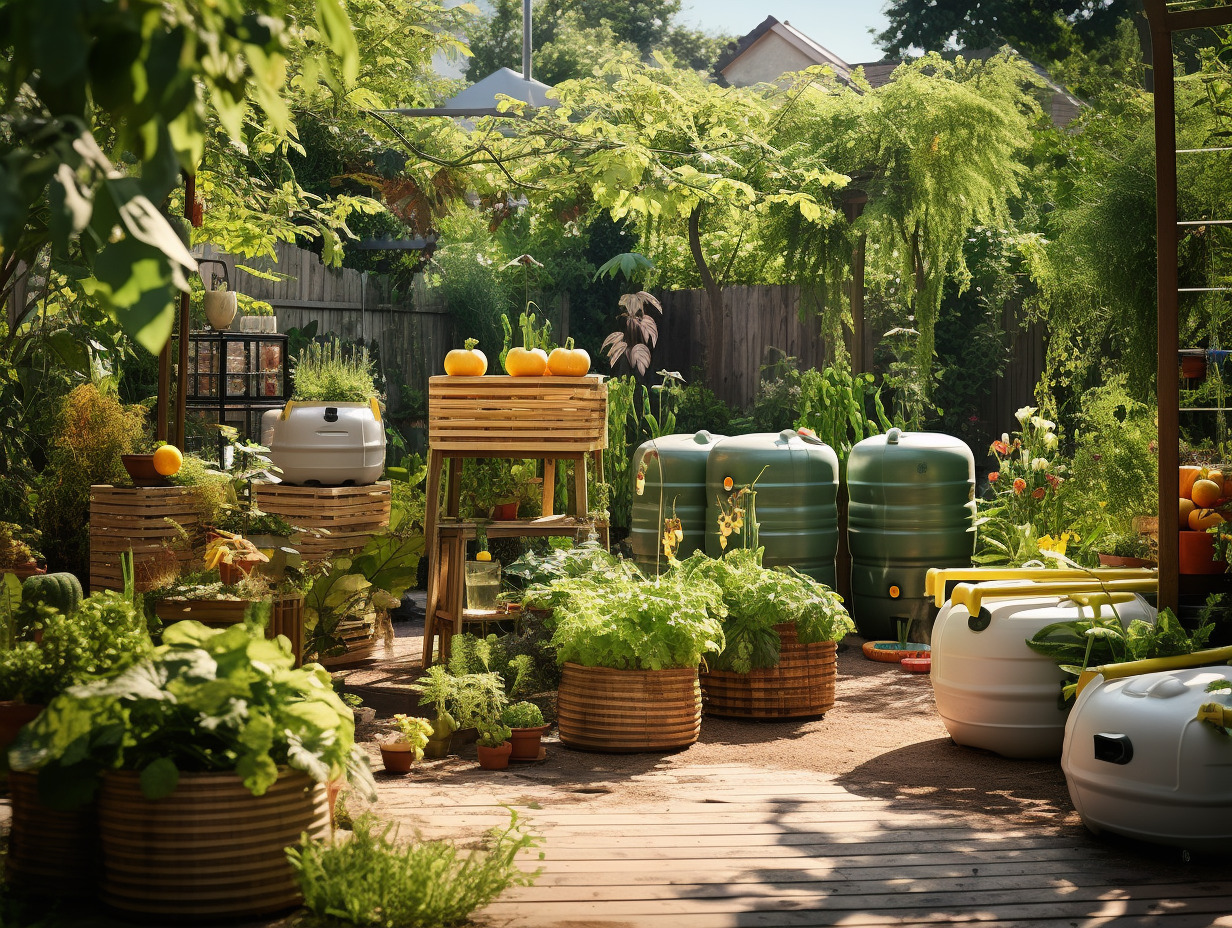
Responsible water management is an integral part of sustainable gardening practices. Saving water involves rainwater harvesting systems, using mulch to limit evaporation, or choosing plants that require little watering. These techniques help preserve this precious resource while ensuring the well-being of the plants.
Limiting the use of chemical products is imperative to protect the environment and public health. The use of natural products such as organic fertilizers, biological insecticides, or biological pest control solutions helps maintain a healthy garden without harming the surrounding ecosystem. Committing to these practices means choosing a path that respects life in all its forms and ensures the sustainability of our natural environment.