On Saturday evening, your child has a fever. Your family doctor’s office is closed, and you’re torn between waiting until Monday or rushing to the already overcrowded emergency room. It’s precisely in this type of situation that the number 116 117 makes perfect sense: direct access to medical regulation, without going through 15, which is reserved for life-threatening emergencies.
116 117: a care number, not a vital emergency number
Confusion often arises. 15 (SAMU) handles situations where life is at risk: chest pain, loss of consciousness, serious accidents. 116 117 covers a different scope, that of unplanned medical care outside of office hours.
Specifically, this number is called in the evening after offices close, on weekends, and on holidays. A regulating doctor assesses the situation over the phone and directs you to the appropriate response: medical advice, consultation at a care center, or reclassification to SAMU if the severity warrants it.
To better understand how this service works and its exact scope, the number 116 117 explained on Medic Com details the cases where this call replaces a visit to the hospital emergency room.
When to call 116 117 instead of SAMU or the emergency room
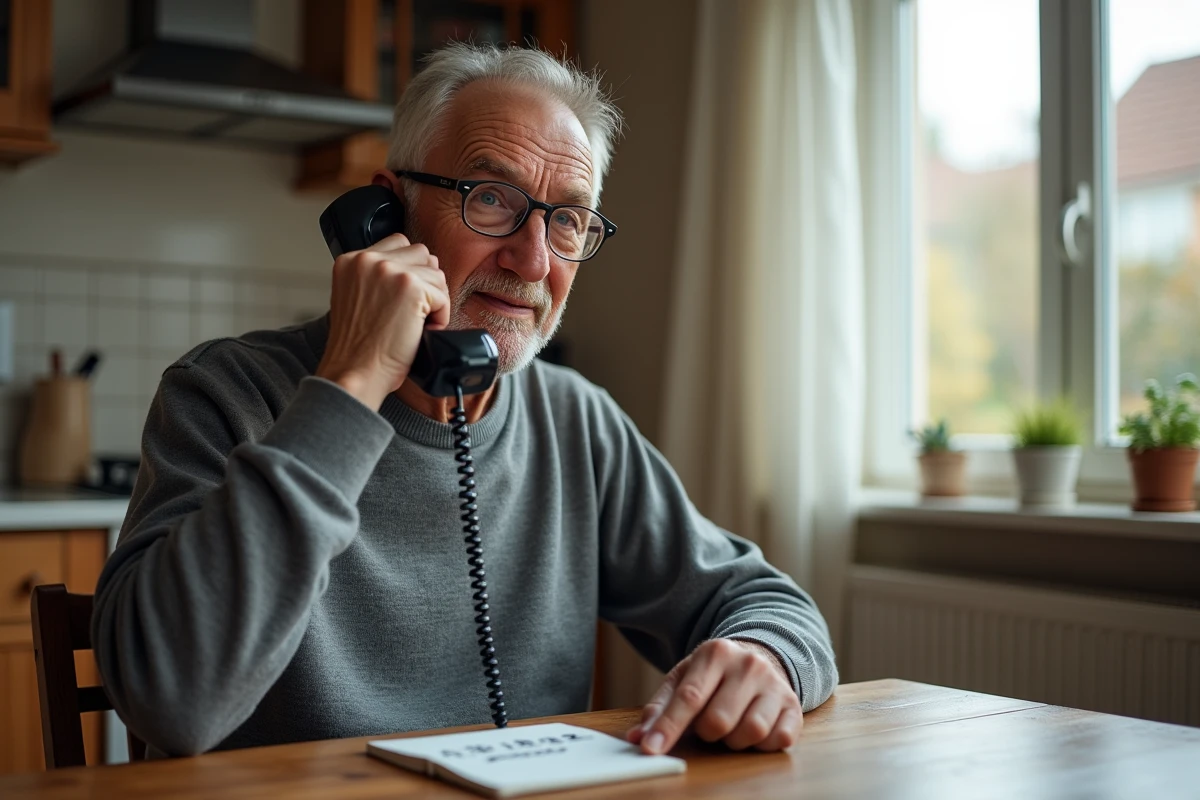
The reflex to go to the emergency room remains ingrained, even for reasons that do not require a hospital visit. A painful ear infection on a Sunday morning, gastroenteritis with moderate dehydration, a critical prescription renewal forgotten before the weekend: these are all cases where 116 117 provides a response without clogging the emergency service.
The telephone regulation filters and qualifies the request. In most cases, a medical advice over the phone is enough to reassure and guide the patient. If a physical consultation is necessary, the regulator directs you to a nearby on-call doctor.
Situations that fall under 116 117
- Persistent fever in a child without signs of respiratory distress when the family doctor is unreachable
- Acute dental pain on a holiday requiring a prescription for appropriate painkillers
- Superficial wound needing medical advice but not requiring emergency hospital suturing
- Need to renew a chronic treatment (medications for hypertension, antidiabetics) when the pharmacy requires a prescription
If the situation evolves during the call (appearance of respiratory difficulty, confusion, chest pain), the regulating doctor will switch to SAMU themselves. No time is lost; the transfer is immediate.
How medical regulation works at 116 117
The call is free and accessible from a landline or mobile phone. The French healthcare system has structured this service around regional regulation platforms, often linked to the same centers as SAMU but with doctors dedicated to the continuity of outpatient care.
A regulation assistant answers, gathers initial information (identity, symptoms, location), then transfers the call to a regulating doctor who makes a telephone diagnosis. This doctor is not a receptionist: they are a practitioner trained in remote consultation.
The following decision can take three possible forms:
- A simple medical advice with home monitoring and specific follow-up instructions if the condition worsens
- Referral to an on-call consultation (medical care center, on-call doctor’s office)
- Initiation of an emergency intervention via 15 if the described symptoms justify it

Response times vary based on regions and time slots. A Sunday afternoon in a rural area may have a longer wait than a Saturday morning in the city. However, the service remains operational across the entire territory.
Family doctor, health insurance, and reimbursement for on-call consultations
A consultation directed by 116 117 follows the standard care pathway. A consultation with an on-call doctor is covered by health insurance under the same conditions as a standard consultation, with the application of third-party payment depending on the patient’s coverage.
The fee may include a specific surcharge related to the time (night, Sunday, holiday). This surcharge is also reimbursed by health insurance and complementary health coverage. No additional upfront payment is required if the on-call doctor practices third-party payment.
One point to remember: the on-call consultation does not replace follow-up by the family doctor. The on-call doctor sends a report, but making an appointment with your family doctor in the following days remains necessary to ensure continuity of care.
Limitations of 116 117 and reflexes to keep
116 117 does not cover acute psychiatric emergencies or situations requiring police or fire services. In case of doubt about the nature of the emergency, calling 15 remains the priority reflex. The regulating doctor from SAMU will redirect to 116 117 if the situation allows.
The service does not issue prescriptions directly over the phone in all cases. Some prescriptions require a physical consultation, especially for medications subject to restrictive prescription rules.
Keeping the number saved in your phone avoids searching in a panic. 116 117 works throughout mainland France. For overseas territories, the arrangements for continuity of care may vary, and the number to call differs by department.
116 117 neither replaces the family doctor nor SAMU. It fills a specific gap: that of unplanned care when the usual healthcare system is closed. Keeping it in mind helps avoid waiting several hours in the emergency room for a situation that can be resolved with a call and an on-call consultation.